

The Best Diet for Golden Retrievers: A Complete Feeding Guide
When you're trying to find the best diet for your Golden Retriever, the answer isn't a single brand name. While a high-quality, protein-rich commercial kibble made for large breeds is a fantastic starting point, the real key is knowing how much to feed them and adapting their meals as they grow from a clumsy puppy into a wise old friend.
Why Your Golden Retriever Needs a Diet That Fits Them
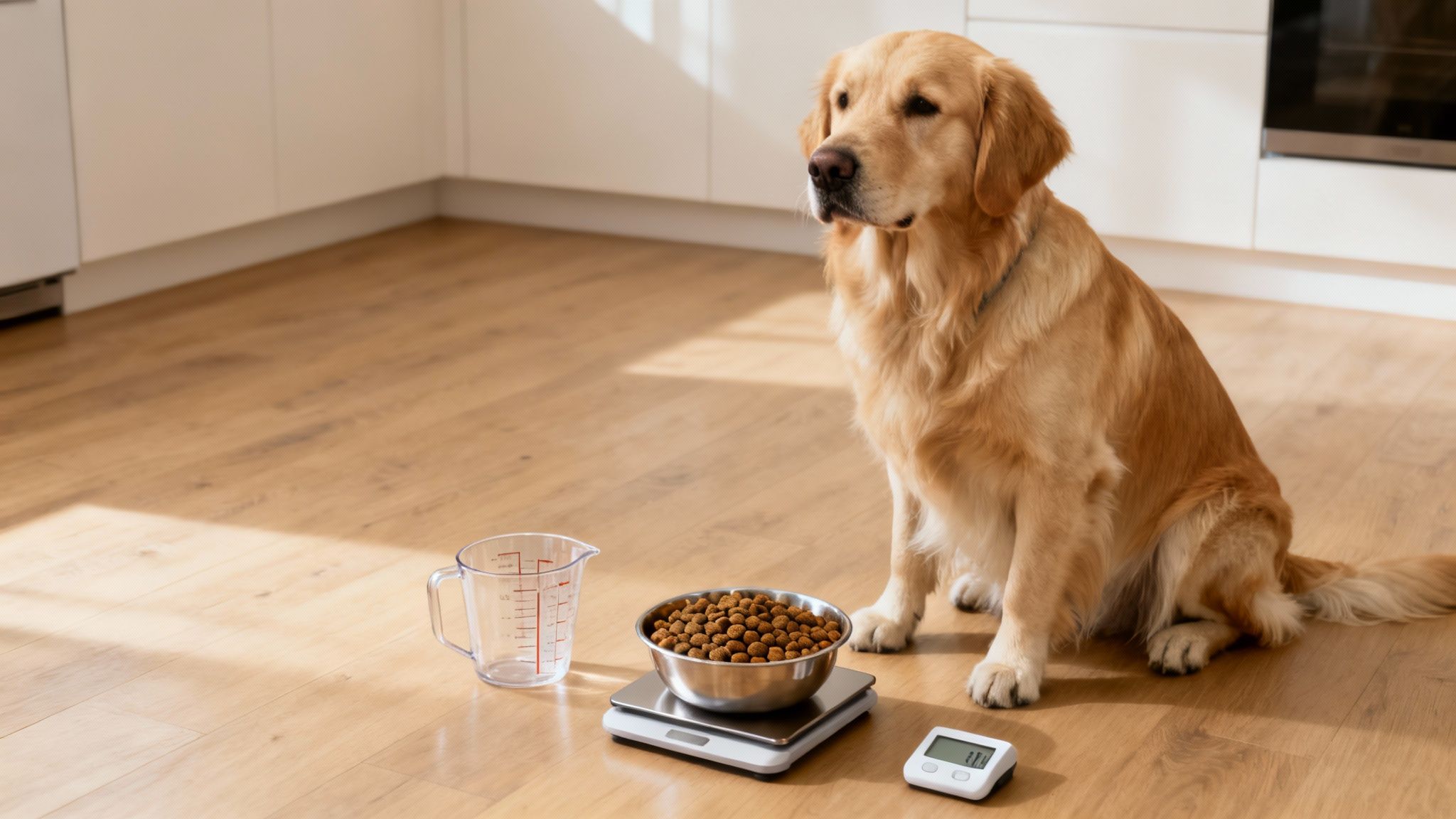
Feeding your Golden Retriever is one of the most direct ways you can shape their health and happiness for years to come. It’s not just about filling their bowl. These dogs are athletic, smart, and have hearts of gold, but that classic Golden personality comes with a few specific health quirks we need to stay on top of.
Think of their diet as a long-term partnership. The fuel needed for a rambunctious, growing puppy is worlds away from what a wise, graying senior needs to thrive. As they move through life, their needs shift, and our feeding strategy has to shift right along with them. Our goal is to give them a balanced diet that supports every chapter, keeping them vibrant and full of life for as long as possible.
Key Nutritional Goals for Goldens
The best diet for a Golden Retriever is one that gets ahead of their common health issues. For this breed, that means we need to focus on a few key areas:
- Joint Health: Goldens are, unfortunately, prone to hip and elbow dysplasia. A great food will include ingredients like glucosamine and chondroitin to support their cartilage and joints right from the start.
- Weight Management: Their legendary appetite and soulful eyes can easily lead to obesity, which puts incredible strain on their joints and organs. A diet with controlled calories is non-negotiable.
- Skin and Coat Health: That beautiful golden double coat needs the right nutrients to shine. Omega-3 and omega-6 fatty acids are crucial for keeping their skin healthy and minimizing the risk of allergies, which are common in the breed.
- Heart Health: Supporting their cardiovascular system is vital, especially as they get older. Key ingredients like taurine and L-carnitine can play an important role in maintaining heart function.
Crafting the perfect meal plan is a true act of love. It’s about more than just food; it’s about giving your best friend the foundation for a long, joyful, and healthy life by your side.
This guide will help you build that perfect plan. We'll walk through their specific needs at every life stage, get practical about portion control, and compare different food options. It’s the kind of hands-on knowledge that makes all the difference, just like knowing that perfect spot to scratch behind their ears.
To give you a quick overview, here's a snapshot of what your Golden needs at each stage of life.
Golden Retriever Diet at a Glance
| Life Stage | Primary Focus | Meal Frequency | Key Nutrients |
|---|---|---|---|
| Puppy | Controlled growth for joint health | 3-4 small meals/day | High-quality protein, balanced calcium & phosphorus |
| Adult | Weight management & maintenance | 2 meals/day | Omega fatty acids, lean protein, controlled calories |
| Senior | Joint support & digestive health | 2 smaller meals/day | Glucosamine, chondroitin, high fiber, lower calories |
As we dive deeper, we'll expand on each of these areas to give you the confidence to make the best nutritional choices for your companion.
Fueling Your Golden Retriever Puppy's Growth

Bringing home a Golden Retriever puppy is a whirlwind of fluffy paws, needle-sharp teeth, and boundless joy. During this incredible growth spurt, their nutrition is the blueprint for their entire adult life. Think of their food not just as a meal, but as the essential building blocks for strong bones, healthy organs, and that famously sunny disposition.
Puppies burn through energy at an astonishing rate. To keep up, their diet needs to be more concentrated in calories and protein than an adult dog's. But here's the thing: it's a careful balancing act, especially for a large breed like a Golden.
The Large Breed Puppy Difference
It might sound great for a puppy to grow quickly, but for a Golden, growing too fast can be risky. This is exactly why choosing a food specifically formulated for large breed puppies is non-negotiable. These specialized diets are designed to control the rate of growth, protecting their developing joints from issues like hip and elbow dysplasia down the road.
A huge part of this is managing the calcium and phosphorus levels. While both are critical for bone development, too much calcium can lead to serious skeletal problems. A high-quality large breed puppy food gets this delicate ratio just right, taking all the guesswork out of it for you.
A classic mistake many new owners make is "free-feeding", leaving a full bowl of food out all day. This almost guarantees a puppy will overeat, putting unnecessary strain on their growing frame and setting them up for a lifetime of weight struggles.
Instead, a structured feeding schedule is one of the kindest and most responsible things you can do for your new family member.
Creating a Puppy Feeding Schedule
Structure and routine help your puppy feel secure and manage their energy. For young Goldens, this means splitting their daily food allowance into smaller, more frequent meals. This is much easier on their tiny stomachs and keeps up with their high metabolic rate.
Here’s a typical timeline:
- 8 to 12 Weeks: At this age, your puppy is a little eating machine. Plan on four small meals spaced evenly throughout the day. A 7 a.m., 11 a.m., 3 p.m., and 7 p.m. schedule works well.
- 3 to 6 Months: As they get a bit bigger, you can scale back to three meals a day, think breakfast, lunch, and dinner.
- 6 to 15 Months: By now, your puppy is ready to transition to the adult schedule of two meals a day. This is the routine they'll likely stick with for the rest of their life.
This consistent schedule doesn't just help with digestion; it makes house-training significantly easier because you'll have a much better idea of when they need to go outside.
Key Nutrients for a Thriving Puppy
Beyond just calories, your Golden puppy's diet needs a specific nutrient profile to build a robust body and a healthy immune system. Research shows that Golden Retriever puppies require a specialized growth diet with more energy, protein, and essential vitamins until they're about 15 months old. Their developing immune systems also get a big boost from antioxidants like vitamin E. You can dive deeper into the science behind puppy growth diets at NCBI.
Making mealtime a positive experience from day one is just as important as what's in the bowl. You can use a portion of their daily kibble for training sessions. This turns their meals into a fun opportunity for bonding and learning while preventing you from overdoing it with extra treats. It's a simple practice that builds a strong foundation for a healthy, happy, and well-behaved companion.
Nourishing Your Adult Golden Retriever

Once your Golden Retriever hits that one-to-two-year mark, they've officially graduated from puppyhood. Their nutritional needs shift dramatically. The frantic pace of growing bone and muscle slows down, and the focus turns to maintaining a healthy, active adult body for the long haul.
This is the prime of their life, and the right food is the foundation for years of fetching, swimming, and being your best friend. The goal is no longer rapid growth; it’s all about balance, fueling their adventures without packing on extra pounds that can strain their joints.
Finding the Right Nutritional Balance
An adult Golden’s diet needs a solid base of high-quality protein to keep those powerful muscles in top form. When you look at a food label, you want to see a named meat source like chicken, lamb, or fish right at the top. For an adult, a protein content of around 20% to 25% is a great target.
Fat is a critical energy source, but this is where we have to be careful. Healthy fats, especially omega-3 and omega-6 fatty acids, are fantastic for their skin, that beautiful coat, and even brain health. But since Goldens can gain weight just by looking at a treat, we need to keep the fat content in check, aiming for a moderate 10% to 15%.
And let’s not forget fiber. It’s the unsung hero of their digestive tract. Good fiber from ingredients like sweet potatoes, brown rice, or peas helps them feel full after a meal and keeps everything moving along smoothly.
Portion Control Is Non-Negotiable
Here’s where even the most dedicated owners can slip up. That sweet, pleading face is almost impossible to resist, but proper portioning is absolutely vital for keeping your Golden lean. Think of the feeding guidelines on the bag as a starting point, not a strict rule. Every dog is an individual.
A high-energy Golden who joins you on daily hikes will burn far more calories than a mellow couch potato. As a general ballpark, an average 65-pound adult Golden needs somewhere between 1,300 to 1,750 calories per day. Start with the bag’s suggestion, but keep a close eye on their body condition and don't be afraid to adjust their portions up or down.
Remember, every single treat adds up. A few extra biscuits a day can easily lead to unwanted weight gain over time. Swap those high-calorie store-bought snacks for healthy alternatives like baby carrots or green beans.
Supporting Long-Term Health
The best diet for an adult Golden is a proactive one that addresses their breed-specific health risks. A staggering 63% of Golden Retrievers are overweight, according to research, which puts immense stress on their joints. Look for foods fortified with glucosamine and chondroitin for joint support, EPA and DHA fatty acids for coat health, and antioxidants to support their overall wellness.
You can find more details on this crucial research in this Golden Retriever health and obesity study. A simple but brilliant trick is to use a portion of their daily kibble as "treats" throughout the day. It’s a fantastic way to reward them without overfeeding.
Your daily routine is the perfect chance to make feeding time special. By being mindful of their diet now, you’re setting them up for a long, vibrant, and happy life by your side.
Supporting Your Senior Golden Retriever With Proper Nutrition

As your Golden Retriever ambles into their senior years, usually around age eight or nine, you'll notice the subtle, gentle shifts. Their muzzle gets a little grayer, their pace isn't quite as frantic when you grab the leash, and their afternoon naps seem to stretch a bit longer.
This is a really special time. Their diet needs to adapt right along with them to support their aging body and keep those golden years as comfortable and happy as possible.
For most senior Goldens, the biggest change is a slowing metabolism. The same food that fueled their prime years can now easily lead to weight gain, putting a lot of unnecessary strain on their joints. That’s why switching over to a high-quality senior dog food is one of the best moves you can make.
Key Nutritional Shifts for Seniors
A good senior diet is about much more than just cutting calories; it’s about providing smarter, more targeted nutrition. The goal is to protect their body from the natural wear and tear that comes from a long, well-lived life. The best food for a senior Golden will rebalance key nutrients to match their new reality.
-
High-Quality Protein: While they don't need as many calories, their protein needs actually remain high. Keeping their muscle mass is critical for seniors. Easily digestible proteins from sources like lean chicken or fish are fantastic for preventing muscle wasting and keeping them strong.
-
Lower Calories and Fat: To help ward off obesity, senior formulas are specifically designed with fewer calories and a lower fat content. This lets you manage their weight effectively without drastically shrinking their portion sizes, which can leave them feeling hungry and unsatisfied.
-
Increased Fiber: A bit of extra fiber does wonders for their digestive health, which can get more sensitive as they age. It also helps them feel full, making the transition to a lower-calorie food much easier.
This dietary adjustment is a huge act of love. You're acknowledging this new chapter in their life and giving their body exactly what it needs to thrive in it.
As they age, your Golden’s diet becomes less about fueling high-energy adventures and more about providing comfort, supporting mobility, and preserving their health. It’s a gentle pivot toward preserving the incredible dog you’ve loved for years.
Supporting Joints and Cognitive Health
For a breed like the Golden, who can be prone to joint issues, this is the time to really focus on support. Many senior-specific foods already include key supplements, but it’s always a good idea to chat with your vet about adding them separately for an extra boost.
Essential Supplements for Senior Goldens:
- Glucosamine and Chondroitin: These are the building blocks for healthy cartilage. They act as a cushion for their joints and can really help ease the stiffness that comes with arthritis.
- Omega-3 Fatty Acids: Usually found in fish oil, these are powerful anti-inflammatories. They’re fantastic for joint health but also support their skin, coat, and even brain function.
- Antioxidants: Vitamins E and C help fight cellular damage and give their immune system a helping hand, which can naturally weaken over time.
Don't forget to make mealtime itself a little easier. If you notice your dog is hesitant to eat or chewing gingerly, it might be due to sensitive teeth or gums. A simple trick is to soak their kibble in warm water for a few minutes to soften it up. It makes a world of difference.
This simple act ensures they get all the nutrition they need without any discomfort. Keeping the feeding area tidy with a cozy dish towel from Golden Prints can also add a little touch of warmth to their routine. It's these thoughtful details that help ensure their final years are filled with comfort and love.
Managing Weight and Common Food Allergies
Two of the biggest health challenges Golden Retriever owners face are keeping their dogs lean and navigating food allergies. These issues are almost always tied directly to what's in their food bowl, and tackling them head-on is one of the best things you can do for your dog.
Let's be real: Goldens absolutely live to eat. While that food-loving nature is part of their charm, it also makes them incredibly prone to packing on the pounds. In fact, a staggering 63% of Golden Retrievers are considered overweight or obese, according to the Association for Pet Obesity Prevention. That statistic alone tells you just how crucial weight management is for this breed. You can learn more about how a Golden's specific traits impact their nutritional needs at Royal Canin.
Keeping Your Golden at a Healthy Weight
For a breed predisposed to joint problems like hip and elbow dysplasia, maintaining a healthy weight isn't just a good idea, it's essential. Every extra pound puts more strain on their frame, not to mention their heart and other organs, which can sadly shorten their lifespan.
The great news? You're in the driver's seat. It all starts with knowing what a healthy Golden actually looks and feels like, beyond the number on a scale.
How to Check Your Dog's Body Condition at Home:
- The Rib Check: Run your hands gently along your Golden's sides. You should be able to feel their ribs under a thin layer of fat, kind of like the feeling of the back of your hand. If you have to dig around to find them, they're likely carrying too much weight.
- The Profile View: Take a look at your dog from the side. Their belly should tuck up nicely from their chest toward their back legs. A straight line or a sagging tummy is a red flag.
- The Overhead View: Now, look down at them from above. You want to see a defined, hourglass-like waist just behind their ribcage.
If your home assessment suggests your Golden is overweight, your first stop should be the vet's office. They can help you map out a safe and gradual weight loss plan, which will almost always involve a combination of precise portion control and more exercise.
Demystifying Common Food Allergies
Beyond weight issues, food sensitivities are another common battle. Is your Golden constantly scratching, getting chronic ear infections, or obsessively licking their paws? A food allergy or intolerance could be the culprit.
The most common triggers are proteins. While technically any ingredient can cause a problem, the usual suspects include:
- Chicken
- Beef
- Dairy
- Eggs
If you suspect an allergy, resist the urge to jump from one food brand to another. This "food-hopping" can actually make it much harder to figure out the root cause. The best approach is to work with your vet on a structured elimination diet.
An elimination diet is the most reliable way to pinpoint a food allergy. Your vet will prescribe a special diet built around a "novel protein"—something your dog has never eaten before, like kangaroo or duck. You'll feed this exclusively for several weeks. If the symptoms disappear, you’ve found your answer.
It's tough when those big, soulful eyes are begging for a treat, especially when you know their diet is restricted. A little humor goes a long way, and the hilarious Golden Retriever Burger POV Mug from Golden Prints perfectly captures that classic, food-obsessed Golden personality. It’s a great reminder that managing their health is a journey, and it’s okay to laugh along the way.
Choosing Between Commercial, Raw, and Homemade Diets
Walking down the dog food aisle can feel like navigating a maze. You've got passionate fans for every type of diet, and it's easy to get overwhelmed. The three main routes you’ll likely consider are commercial foods (kibble and canned), homemade meals, and raw feeding.
For most Golden Retriever families, a high-quality commercial food is the simplest, safest, and most reliable way to provide complete nutrition. But let's walk through all the options so you can feel confident in your choice.
The Reliability of Commercial Diets
There's a good reason commercial dog foods are the standard. Reputable brands pour a ton of resources into research and formulation, ensuring their foods meet the rigorous standards set by the Association of American Feed Control Officials (AAFCO).
This basically means that every scoop is a carefully balanced meal, giving your Golden the right mix of protein, fats, vitamins, and minerals they need to thrive. For busy owners, the convenience is a lifesaver, no complicated prep, no guesswork. It’s a straightforward way to cover all your dog's nutritional bases.
Exploring a Homemade Diet
The thought of cooking fresh meals for your Golden is incredibly appealing, isn't it? It gives you complete control over every single ingredient, which is a huge plus, especially if you're dealing with sensitivities or allergies. But this path is a serious commitment and absolutely requires professional guidance.
Tossing some chicken and rice in a bowl just won't cut it. Over time, this kind of simple meal can lead to severe and dangerous nutritional deficiencies.
A homemade diet should only be attempted with the guidance of a board-certified veterinary nutritionist. They have the specialized knowledge to formulate a truly balanced recipe and will prescribe the exact supplements needed to fill in any nutritional gaps.
If you love the idea of being your dog's personal chef, you can still embrace that spirit. Get yourself a fun cooking apron for dog lovers from Golden Prints to celebrate that bond, even if you ultimately decide to stick with a high-quality kibble for their main course.
A Look at Raw Feeding
Raw diets, often called BARF (which stands for Biologically Appropriate Raw Food), have a very dedicated following. Advocates often report benefits like shinier coats, cleaner teeth, and more energy. These diets typically involve feeding raw muscle meat, bones, organs, and a small amount of fruits and vegetables.
However, it's important to know that major veterinary organizations, like the American Veterinary Medical Association (AVMA), have raised significant safety concerns. The biggest risk is bacterial contamination from pathogens like Salmonella and E. coli, which can make both your dog and your family sick.
There are also risks of nutritional imbalances if the diet isn't perfectly formulated, not to mention the potential for tooth fractures or internal injuries from bone fragments. If you’re curious about raw feeding, it’s crucial to have a very open and honest conversation with your veterinarian about these risks.
Answering Your Golden Retriever Feeding Questions
Even the most dedicated Golden owner has questions. You've got the food, you've got the schedule, but you're still wondering, "Am I really getting this right?" Trust me, you're not alone.
This section is all about tackling those lingering questions. Think of it as a final confidence boost, covering a few specific topics that we hear about all the time from fellow Golden families.
How Do I Know if I Am Feeding My Golden Retriever the Right Amount?
The chart on the back of the dog food bag? That's just a suggestion, a starting point. The real test is what I like to call the "hands-on check."
Gently run your hands along your Golden's sides. You should be able to feel their ribs easily, right under a thin, healthy layer of fat. When you look down at them from above, you should see a noticeable "waist" or tuck behind the ribcage.
If you have to press hard to find their ribs or their body looks more like a tube than an hourglass, it's time to slightly dial back their portions. Always adjust based on your dog's actual body condition, not just what the bag tells you.
Is a Grain-Free Diet Better for My Golden Retriever?
For the vast majority of Goldens, the answer is a firm no. Most of these dogs thrive on high-quality foods that include healthy, whole grains like brown rice, barley, and oatmeal. These ingredients are fantastic sources of essential nutrients and fiber.
There's a more serious reason to be cautious, too. The FDA has been investigating a potential link between certain grain-free diets, especially those heavy in peas, lentils, and other legumes, and a serious heart condition called dilated cardiomyopathy (DCM).
Given that Golden Retrievers can already be prone to heart issues, sticking with a well-formulated, grain-inclusive diet is widely considered the safest bet unless your vet has diagnosed a specific grain allergy.
What Human Foods Are Safe for My Golden Retriever?
It’s so hard to resist those puppy-dog eyes, but sharing your plate can be risky. The good news is that a few human foods are perfectly safe and make for excellent, healthy treats in moderation.
Safe Snack Swaps:
- Carrot sticks: A great, crunchy snack that's also good for their teeth.
- Green beans: Low-calorie and packed with fiber. A perfect filler for a hungry pup.
- Blueberries: A little burst of antioxidants.
- Apple slices: A sweet treat, just be absolutely sure to remove the core and all seeds first.
Always steer clear of toxic foods like chocolate, grapes, raisins, onions, garlic, and anything with the artificial sweetener xylitol. And remember the golden rule of treats, the 10% rule. All extras (treats, snacks, table scraps) should never account for more than 10% of your dog's total daily calories.
Of course, showing your love goes beyond food. If you're looking for other ways to celebrate that incredible bond, check out our guide on the best gifts for dog owners for some fun ideas.
At Golden Prints, we're all about celebrating the unmatched joy that Golden Retrievers bring into our lives. Our apparel, home goods, and accessories are designed for people who know a dog isn't just a pet, they're family. Come explore our collections and find the perfect way to honor your best friend at https://www.goldenprintsonline.com.


